
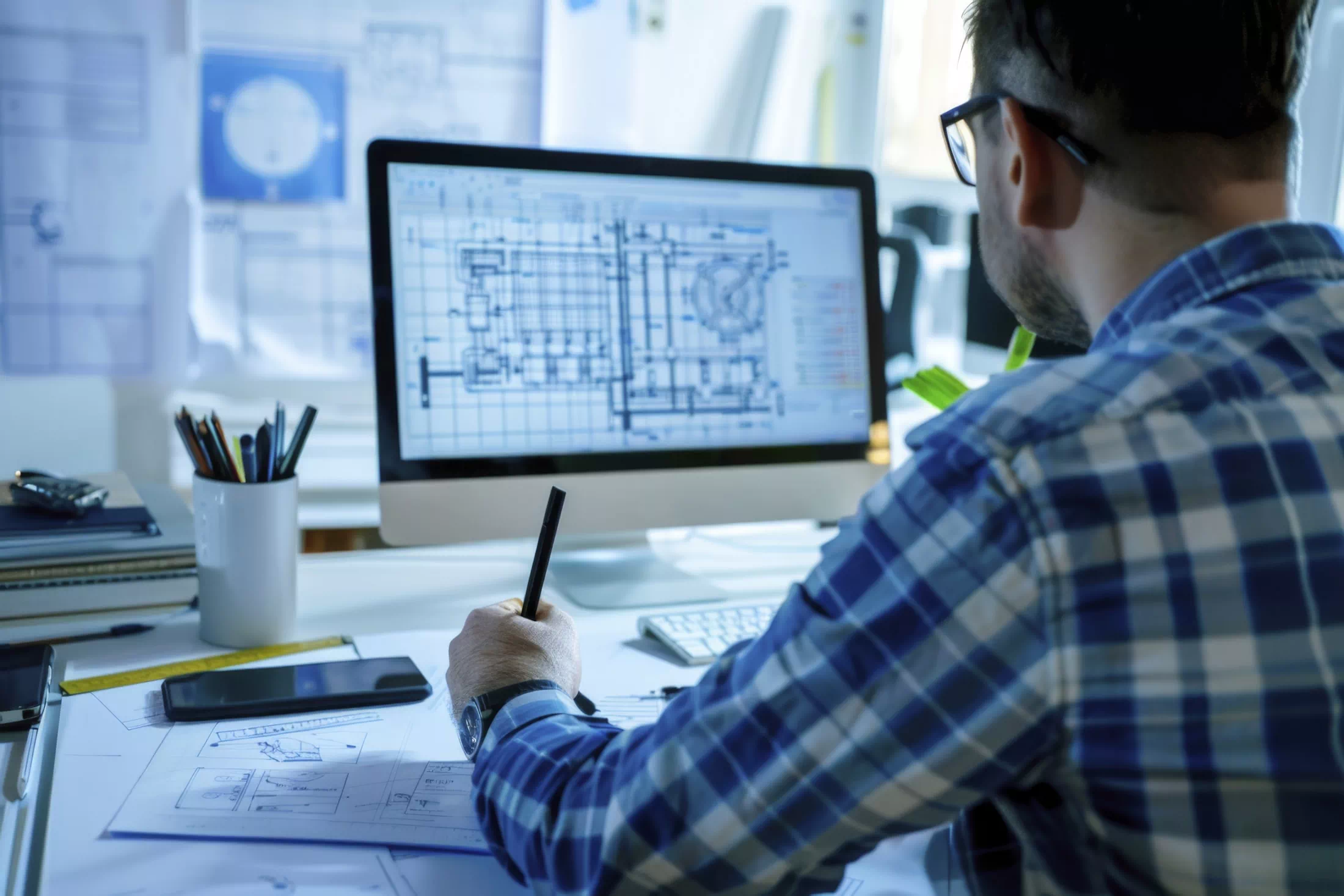
Introduction
Architecture has always mirrored the priorities and challenges of society. Today, the global focus is on climate change, resource conservation, and human well-being. This shift has brought sustainable architecture into the spotlight—not as a passing trend but as a necessity. In this article, we will explore the definition of sustainable architecture, its importance, guiding principles, modern innovations, and the barriers that stand in its way.
What is Sustainable Architecture?
Sustainable architecture is an approach to building design that reduces negative environmental impacts while creating spaces that promote health, comfort, and efficiency. Unlike traditional construction methods that often consume excessive resources, sustainable design emphasizes eco-friendly materials, renewable energy, and long-term resilience.
Why Sustainable Architecture Matters
Reducing Carbon Emissions
The building sector contributes almost 40% of global carbon emissions. Sustainable practices such as improved insulation, energy-efficient windows, and renewable energy adoption can significantly reduce this footprint.
Conserving Natural Resources
Modern construction often depletes forests, minerals, and fresh water. Sustainable architecture encourages the use of recycled materials, low-water systems, and locally sourced resources to conserve what we have.
Enhancing Human Well-Being
Sustainability is not only about the planet—it’s also about people. Green buildings improve indoor air quality, increase natural light, and regulate temperature, creating healthier and more productive spaces.
Key Principles of Sustainable Architecture
Energy Efficiency
Energy is at the heart of sustainability. Architects are increasingly designing buildings that consume less energy by using passive solar design, advanced insulation, and renewable power sources such as solar panels or wind turbines.
Sustainable Materials
The choice of materials plays a huge role. Recycled steel, reclaimed wood, bamboo, and low-VOC paints are popular because they reduce waste and limit toxic emissions.
Water Conservation
Water scarcity is a growing concern worldwide. Green buildings address this with rainwater harvesting systems, greywater recycling, and low-flow plumbing fixtures.
Indoor Environmental Quality
The quality of indoor spaces impacts the health of occupants. Sustainable design promotes natural ventilation, non-toxic finishes, and optimized daylighting to create comfortable living and working environments.
Modern Innovations in Sustainable Architecture
Smart Buildings
Technology is transforming architecture. Smart buildings use sensors and automation to control lighting, heating, and cooling, reducing energy waste while improving comfort.
Vertical Gardens and Green Roofs
Cities are increasingly embracing vertical gardens and rooftop greenery. These features improve insulation, combat the urban heat island effect, and increase biodiversity in crowded urban landscapes.
3D-Printed Construction
3D printing allows buildings to be constructed with less waste and in record time. It also enables the use of sustainable materials such as earth composites or recycled plastics.
Net-Zero Energy Buildings
A net-zero building produces as much energy as it consumes, often through a combination of renewable energy systems and energy-efficient designs. These structures represent the future of truly sustainable living.
Challenges in Implementing Sustainable Architecture
Higher Initial Costs
Although sustainable buildings save money in the long run, the upfront investment in green materials, technologies, and certifications can be higher. This discourages some developers from pursuing eco-friendly options.
Limited Awareness and Expertise
Not all architects, builders, or clients are familiar with sustainable practices. The lack of education and training makes it harder to adopt these strategies on a large scale.
Regulatory Barriers
Building codes and regulations in many regions have not yet caught up with sustainable innovations. This can create roadblocks for architects trying to implement advanced eco-friendly designs.
Cultural and Market Resistance
In some areas, there is resistance to change—people prefer traditional methods due to familiarity or perceived cost concerns. Overcoming this mindset is critical to wider adoption.
The Future of Sustainable Architecture
Looking ahead, the rise of eco-conscious consumers and stricter environmental policies will continue to push the industry toward sustainability. Collaboration between governments, architects, engineers, and communities will be key. With advances in renewable energy, smart technology, and sustainable materials, the vision of carbon-neutral cities is no longer a distant dream—it is within reach.
Conclusion
Sustainable architecture is about more than just designing beautiful spaces; it is about building responsibly for both people and the planet. While challenges remain, the opportunities for innovation and positive impact are immense. By embracing sustainable principles, architects can shape a future where our buildings not only shelter us but also safeguard the world we live in.